Source Baby Bodysuit for Newborns, Infants, and Toddlers
Explore 30 verified listings for baby bodysuit options including cotton interlock, printed designs, and custom patterns. Buyers can compare sizes from newborn to 18 months, sleeve styles, and seasonal suitability across suppliers in China; compare the available evidence and request quotations based on your requirements.
Key considerations
Products List




Comprehensive Sourcing Guide
Baby Bodysuit Sourcing Guide
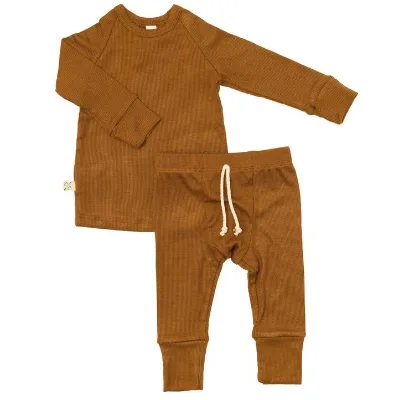
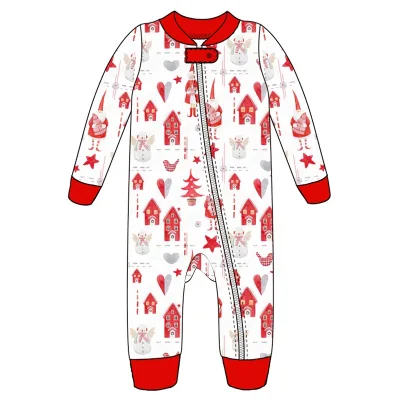
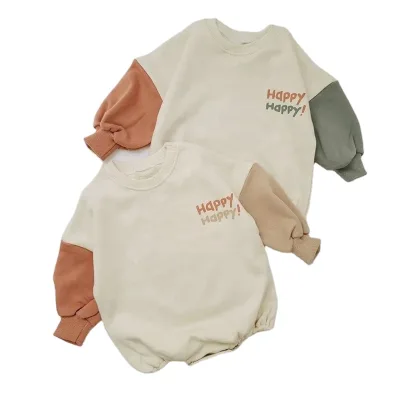
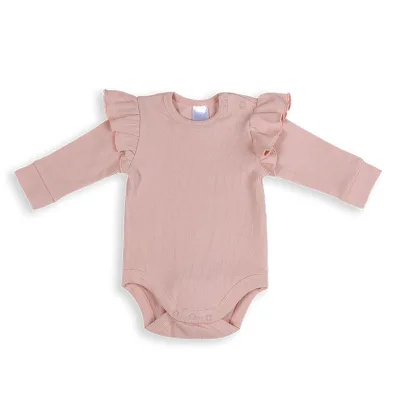
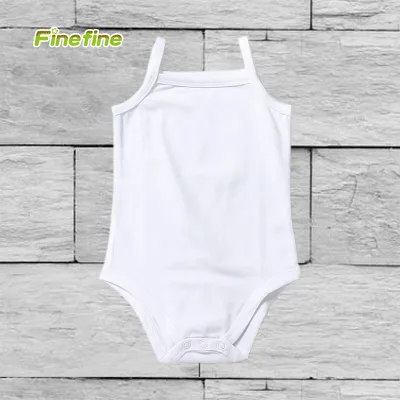
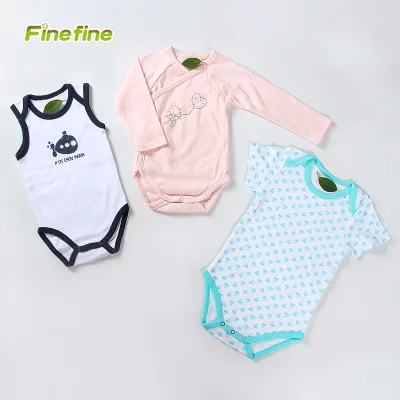
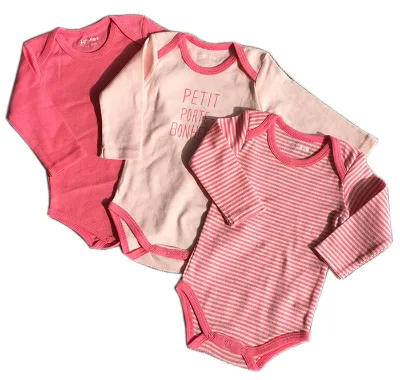
Buyers must first distinguish between the various product configurations available in the current market, as the observed listings reveal a diverse range of styles including bodysuits, rompers, and complete suit sets. The data indicates that manufacturers offer options ranging from simple long-sleeve knitted garments to complex printed sets with specific envelope neck designs, requiring clear definition of the target item before initiating contact.
Procurement teams should also note the significant variation in seasonal suitability and fabric weights, with some suppliers listing summer-specific short-sleeve items while others focus on spring and autumn long-sleeve knitted products. Understanding these distinctions is critical for aligning inventory with regional climate needs and ensuring the selected supplier can deliver the specific sleeve style and fabric weight required for your target demographic.
Product Scope and Observed Listing Signals
The observed product range demonstrates a strong emphasis on customization, with many suppliers offering custom pattern buttons and tailored specifications rather than rigid standard catalogs. Buyers should expect to find items described as unisex or gender-specific, with age groups spanning from newborn to nine months, necessitating a precise definition of the intended customer segment to filter the vast array of available models effectively.
Listing signals also highlight diverse packaging requirements, ranging from simple OPP bags to seaworthy cartons and customized export packaging solutions. This variability suggests that logistics planning must be integrated early in the sourcing process, as the choice between polybag inner packaging and heavy-duty export cartons will directly impact shipping costs and the final presentation of the goods upon arrival at the destination warehouse.
Technical Specifications to Verify
Verification of fabric composition is paramount, as the market data shows a prevalence of 100% cotton interlock fabrics with weights ranging from 175GSM to 220GSM. Buyers must explicitly confirm the specific fabric type, whether it is interlock, rib cotton, or jersey cotton, and ensure the GSM matches the desired drape and durability for the specific age group, as these technical attributes directly influence the comfort and longevity of the final garment.
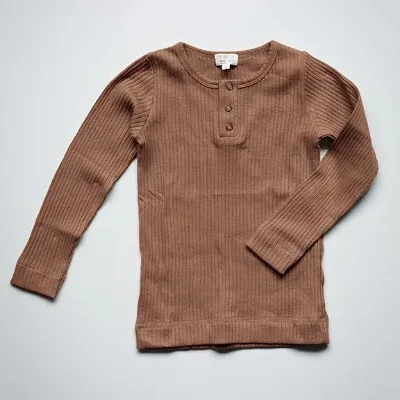
Technical construction details such as closure types and neck shapes require rigorous validation to ensure safety and ease of use for infants. The listings indicate options like envelope necks and button closures, but buyers must verify that the button patterns are secure and that the stitching techniques, whether knitted or printed, meet the structural integrity standards necessary for frequent washing and active infant movement without compromising the garment's shape.
Compliance and Safety Documentation
While specific certification statuses like OEKO-TEX or GOTS appear in background data, buyers must treat these as potential attributes rather than guaranteed standards for every listed product. It is essential to request current test reports and compliance certificates directly from the supplier to confirm that the specific batch of baby bodysuits meets the safety regulations of the destination market, particularly regarding chemical residues and flammability.
Documentation verification should also extend to the production standards cited in the listings, which vary from custom specifications to defined age-based standards like 0-24 months or 0-3 months. Procurement teams must ensure that the supplier's declared production standards align with the legal requirements for infant clothing in the target region, as a mismatch in age-based safety standards can lead to significant regulatory hurdles and potential product recalls.
Cost Drivers and Commercial Terms
The observed price range of 1 to 20 USD suggests that unit costs are heavily influenced by the complexity of the design, the volume of customization, and the specific fabric weight selected. Buyers should anticipate that items featuring all-over printing, custom buttons, or specialized envelope neck designs will command higher prices compared to plain dyed or standard knitted options, making detailed cost breakdowns essential for accurate budgeting.
Commercial terms regarding minimum order quantities and lead times vary significantly, with observed MOQs ranging from 2 to 3000 units and delivery times spanning 30 to 60 days. Procurement planners must negotiate these terms carefully, as the high-end MOQs may require substantial capital commitment, while the extended lead times necessitate advanced inventory planning to prevent stockouts during peak seasonal demand periods.
Supplier Qualification and Quality Control
Supplier qualification should prioritize those with demonstrated experience in OEM services and the ability to handle customized specifications, as the market data indicates a high demand for tailored production runs. Buyers must verify the supplier's origin, noting that many listings specify Hebei, China, and assess their capacity to maintain consistent quality across different fabric types and printing techniques like offset or all-over printing.
Quality control protocols must be established to address the variability in product attributes observed across different listings, such as differences in packing methods and fabric weights. Implementing pre-shipment inspections is crucial to ensure that the physical product matches the agreed-upon technical specifications, particularly regarding the integrity of buttons, the accuracy of printed patterns, and the consistency of the cotton interlock fabric used in the final assembly.
Long-Term Procurement Checks
Sustainable sourcing requires ongoing monitoring of supplier performance against the initial technical and commercial agreements to ensure consistency over time. Buyers should establish a system for tracking defect rates and delivery reliability, as the variability in lead times and packaging standards observed in the initial listings suggests that long-term partnerships require rigorous performance management to maintain supply chain stability.
Future procurement strategies should also account for the evolving nature of product standards and the potential need for updated compliance documentation as regulations change. Maintaining open communication channels with suppliers to discuss updates in fabric technology, such as new cotton blends or printing methods, will help buyers stay ahead of market trends and ensure their product offerings remain competitive and compliant in the long term.
FAQs
What fabric options are available for baby bodysuits?
Suppliers offer 100% cotton interlock fabric at 175 GSM, rib cotton, and jersey cotton. These materials provide softness and breathability for newborns. Some listings specify 175-220 GSM weight options. The fabric choice ensures comfort and durability for daily wear. Buyers can select based on seasonal needs and specific texture preferences for infant clothing.
Can I customize the button patterns on bodysuits?
Yes, customization is available for button patterns. Suppliers allow custom pattern designs to match brand aesthetics. This feature enables unique visual identity for your product line. Buyers can specify exact button styles during the ordering process. This option supports differentiated product offerings in the competitive baby apparel market.
What are the standard size ranges for newborn bodysuits?
Standard sizes include 0-3M, 3-6M, 6-12M, and 12-18M. Some suppliers also offer Nb (Newborn) sizes. These ranges cover infants from birth to 18 months. The sizing aligns with common global market expectations. Buyers can select appropriate sizes based on target customer demographics and growth stages.
How long is the typical delivery time for orders?
The typical delivery time ranges from 30 to 60 days. This period covers production, quality control, and shipping preparation. Lead times may vary based on order volume and customization complexity. Buyers should plan inventory accordingly to avoid stockouts. Early communication with suppliers helps manage expectations and ensure timely receipt.
What packaging methods are used for export shipments?
Common packaging includes OPP bags, polybags, and seaworthy cartons. Some suppliers use PVC bags with export cartons for protection. Customized packaging options are available upon request. This ensures product safety during international transit. Buyers can choose packaging that meets their retail display or storage requirements.
Are baby bodysuits suitable for summer wear?
Yes, short-sleeve bodysuits are available for summer seasons. These designs feature envelope necks and all-over printing. The lightweight fabric ensures comfort in warm weather. Buyers can select summer-specific styles for seasonal collections. This option caters to diverse climate needs and consumer preferences throughout the year.